
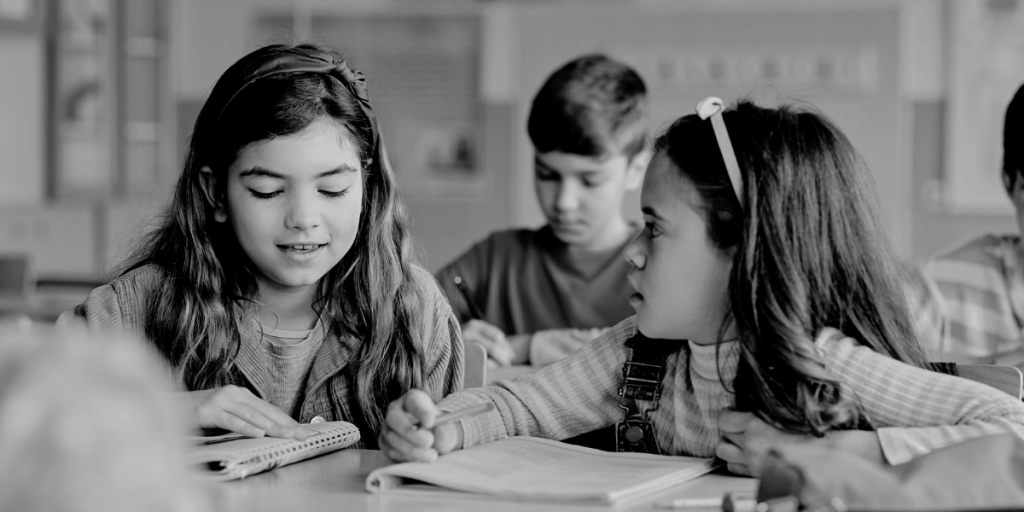
The traditional classroom model, built on outdated ideas from over a century ago, no longer serves the needs of today’s learners. To prepare students for the future, education must move away from rigid structures and embrace approaches that prioritize individuality, collaboration, and real-world application. Dr. Michael Conner and Dr. Gladys Cruz have explored how these changes can reshape education, creating classrooms that are as dynamic as the world students are stepping into.
Learning That Revolves Around the Student
For decades, education has taken a one-size-fits-all approach, treating students as though they learn in the same way and at the same pace. This model overlooks the unique passions, strengths, and challenges of each child. To truly engage students, educators need to design lessons that put the individual at the center, tailoring learning to meet their needs and interests.
When students are given a voice in their education—choosing projects, exploring topics that excite them, and working in ways that suit their learning styles—they become active participants, not just passive recipients. This shift not only boosts engagement but also fosters a sense of ownership that inspires deeper learning.
Beyond the Classroom Walls
Education shouldn’t be confined to textbooks and traditional classroom settings. Real-world experiences, like visiting museums, engaging in internships, or participating in community projects, can bring lessons to life in ways no lecture ever could. These opportunities help students make connections between what they learn in school and how it applies to the world around them.
For example, work-based learning programs can teach practical skills while exposing students to career possibilities. Community partnerships can expand learning beyond academics, fostering curiosity and collaboration. By stepping outside the classroom, schools can provide students with a richer, more relevant education that prepares them for life, not just for tests.
Focusing on Skills That Matter
The modern world demands more than memorizing facts. Skills like critical thinking, creativity, problem-solving, and collaboration are essential for navigating a fast-paced and complex society. Yet, many classrooms are still rooted in outdated practices that prioritize rote learning over real-world application.
Teaching students to analyze information, work together effectively, and think outside the box prepares them to solve problems we can’t yet imagine. Digital literacy is equally critical, especially in an age where misinformation spreads rapidly. By equipping students with these tools, we’re giving them the confidence and ability to tackle challenges far beyond the classroom.
The Role of Technology and Mental Health in Modern Education
Technology, especially AI, is transforming every industry—and education should be no exception. Rather than viewing these tools as distractions, educators can harness them to create more personalized and dynamic learning experiences. AI can help students grasp difficult concepts, explore new ideas, and even develop skills for future careers.
However, with the rise of technology comes the need for balance. The mental health challenges faced by students—and educators—have only grown in recent years, especially after the pandemic. Schools must prioritize mental well-being alongside academic achievement. This means training staff to recognize signs of stress, creating safe spaces for students, and ensuring resources are available to support both learners and teachers. A healthy mind is the foundation of a strong education.
Creating Inclusive Classrooms Where Students Thrive
Representation and diversity in schools are more than buzzwords—they’re essential for student success. When students see themselves reflected in their teachers, lessons, and school culture, they feel a stronger sense of belonging. This is particularly important in fields like STEM, where gender and racial disparities persist.
But inclusion goes beyond staffing or curriculum. It’s about fostering an environment where every student feels valued, respected, and capable of achieving their goals. Schools need to break down barriers and ensure that all learners, regardless of background, have the tools and support they need to thrive.
By moving beyond outdated practices and embracing these principles, education can transform into a system that equips students with the skills, confidence, and resilience to face the future. It’s not just about improving test scores or ticking boxes—it’s about creating a foundation for lifelong learning and success. The world has changed, and it’s time our classrooms did too.





